
Renewed military escalation, attacks on commercial vessels and a proposed transit charge have placed the world’s most important Gulf energy route under fresh pressure.
The Strait of Hormuz crisis – strongest global trend on news cycle today – and expected to intensify further – after the United States resumed attacks on Iran and Tehran retaliated against commercial and regional targets. Oil reached a one-month high as markets reacted to the renewed US blockade announcement, attacks on tankers and uncertainty over whether normal commercial passage can continue through the Gulf chokepoint.
| Current trigger | The United States announced renewed strikes against Iran and the reinstatement of a blockade on Iranian shipping |
| Date marker | Escalation continued into 14 July 2026 |
| Commercial-shipping incident | Two tankers came under Iranian fire in or near the Strait of Hormuz, according to current international reporting |
| US transit proposal | President Donald Trump said cargo passing through the strait would face a 20% charge |
| Iranian position | Tehran rejects unilateral US control of the waterway and says it will resist unauthorised intervention |
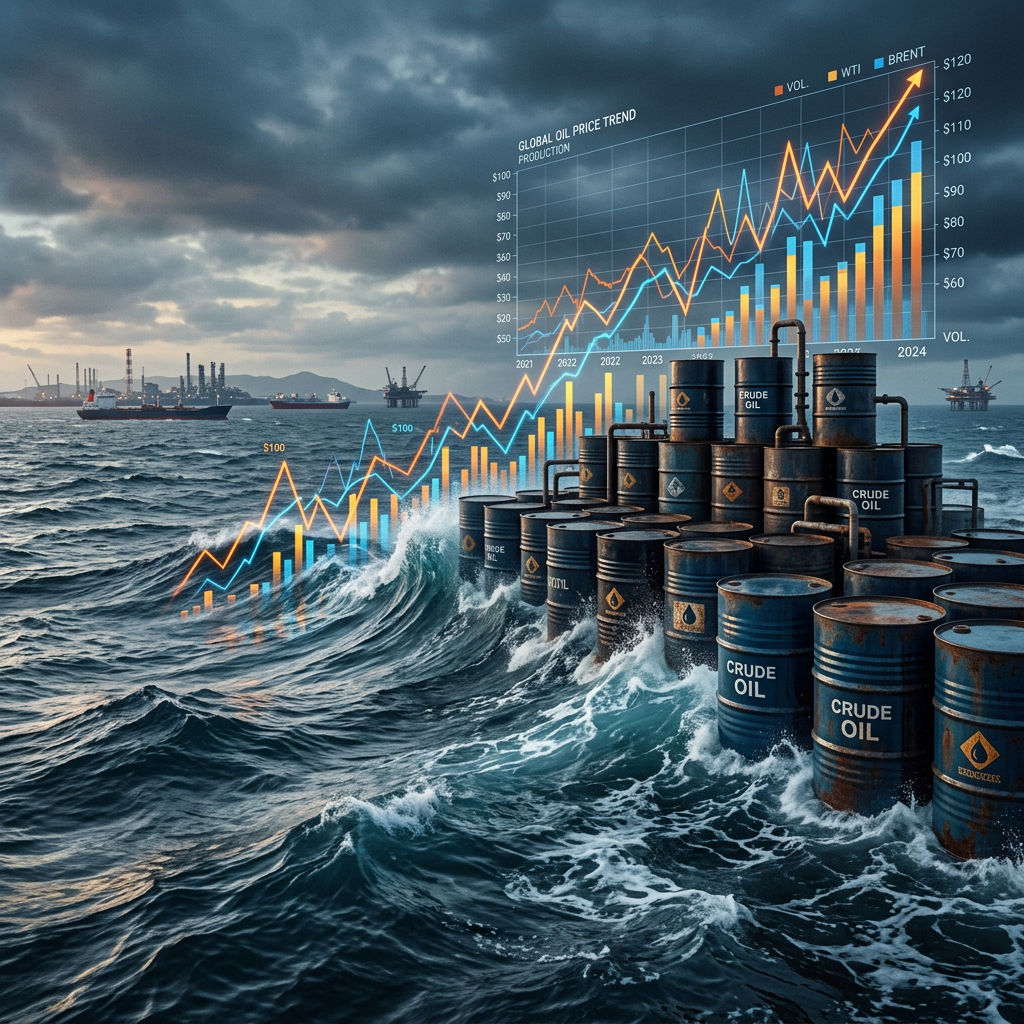
| Market reaction | Brent crude rose to a one-month high after climbing by more than 9% |
| Brent marker | Brent was reported at about $83.30 a barrel following the latest escalation |
| WTI marker | US West Texas Intermediate was reported at about $78.14 a barrel |
| Global trade importance | The route carries roughly one-fifth of worldwide oil and LNG flows |
| Stock-market impact | Asian equities weakened as higher oil prices revived inflation and interest-rate concerns |
| Diplomatic backdrop | The renewed confrontation follows an earlier temporary agreement intended to lower tensions and protect shipping |
| What to watch next | Tanker movements, maritime-security advisories, insurance restrictions, oil prices, Gulf retaliation and diplomatic mediation |
Market data indicate that the conflict is moving beyond a regional security issue into a wider economic risk. Higher crude prices can feed into freight costs, consumer inflation and central-bank expectations, while shipping disruption can force exporters and importers to reconsider routes, inventories and insurance coverage.