
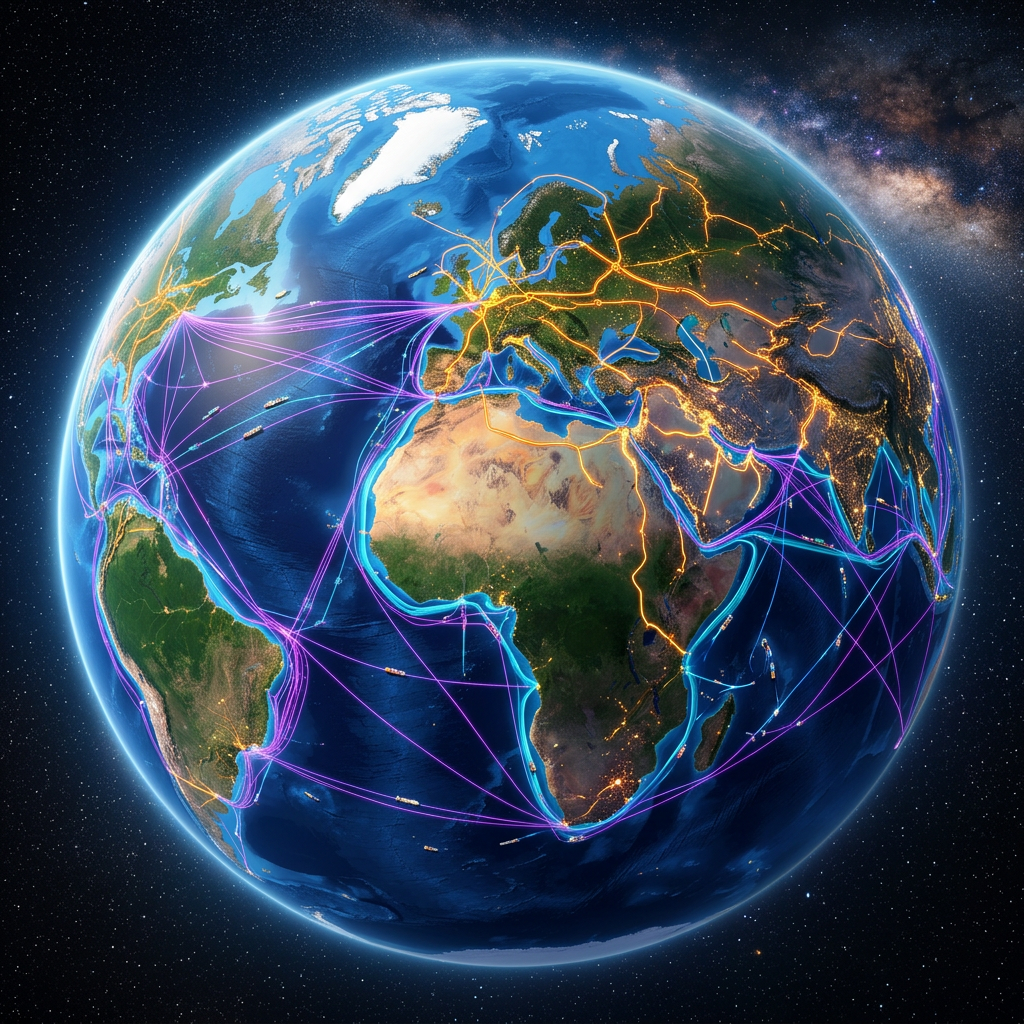
Oil, internet cables and maritime trade now share the same strategic vulnerability.
The Strait of Hormuz is often described as an energy corridor. That description is now outdated.
Hormuz has become a multidimensional geopolitical chokepoint linking oil exports, LNG shipments, naval deployments and digital connectivity. Military incidents involving drones, commercial shipping and naval escorts have transformed the waterway into the focal point of international diplomacy.
Less discussed is the digital layer. Critical submarine fibre-optic cables connecting Europe, Asia and the Gulf also traverse the region. Analysts warn that conflict-related damage could affect data traffic, financial transactions, cloud infrastructure and AI services far beyond the Middle East.
China, Europe, India, Japan and Gulf economies all depend on uninterrupted access through the corridor. Every escalation increases insurance costs, shipping premiums and uncertainty.
| Strategic Asset | Importance |
|---|---|
| Oil Exports | Global energy supply |
| LNG Shipments | European and Asian markets |
| Subsea Cables | 99% of global internet traffic |
| Maritime Routes | Trade connectivity |
| Naval Presence | Regional deterrence |
The Next Signal
The next phase may not be military. It could be economic, digital or logistical.