
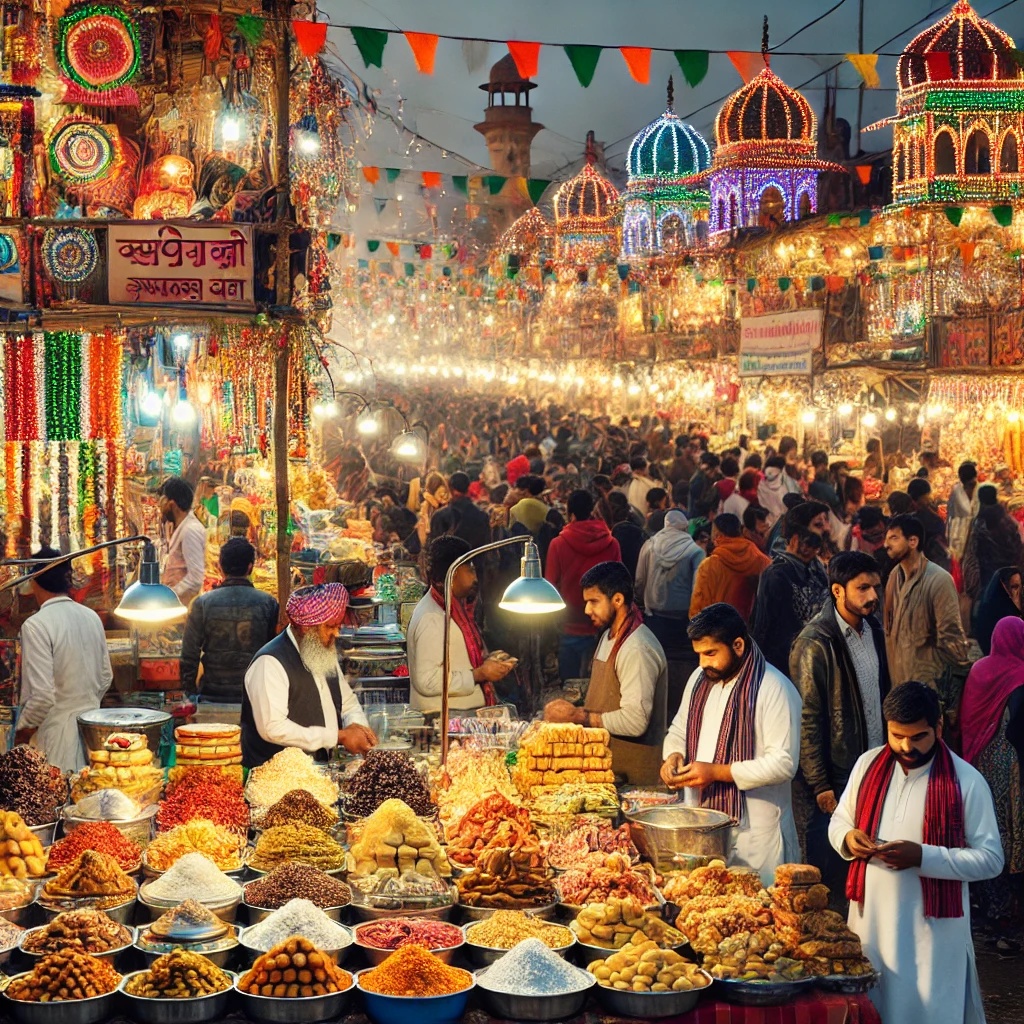
At the heart of Maha Kumbh 2025 lies an unbroken spiritual tradition that has thrived for centuries. From the initial holy bath on Paush Purnima (13 January) to the grand finale on Maha Shivratri (26 February), millions converged at the Triveni Sangam to seek spiritual purification and fulfilment.
Confluence of Three Rivers
The Ganga, Yamuna, and the mythical Saraswati meet at Prayagraj, granting the site profound religious reverence. Bathing at this confluence during Kumbh is believed to:
- Wash away one’s sins.
- Lead to Moksha (liberation).
- Bestow blessings of health, prosperity, and spiritual elevation.
Key Rituals
- Shahi Snan (Royal Bath)
- Celebrated with grand processions by saints and sages representing various Akharas (spiritual orders).
- Makar Sankranti (14 January), Mauni Amavasya (29 January), and Basant Panchami (3 February) saw some of the largest gatherings.
- Ganga Aarti
- Priests offered fire-lit lamps to Mother Ganga each evening, accompanied by chanting and devotional music.
- Kalpavas
- Many devotees, called Kalpvasis, gave up material comforts for a month, living in tents by the river and engaging in prayer, satsangs, and spiritual practices.
- Dev Pujan and Charity
- Dev Pujan honoured deities, while Gau Daan (cow donation) and Vastra Daan (clothing donation) exemplified the tradition of philanthropy.
Major Bathing Day Turnouts
| Date | Bathing Occasion | Approx. Attendance |
| 13 Jan 2025 | Paush Purnima | 1.5 crore |
| 14 Jan 2025 | Makar Sankranti | 3.5 crore |
| 29 Jan 2025 | Mauni Amavasya | 5 crore |
| 3 Feb 2025 | Basant Panchami | 2.33 crore |
| 12 Feb 2025 | Maghi Purnima | 2 crore |
| 26 Feb 2025 | Maha Shivratri | 1.3 crore |
Cultural Events Within the Spiritual Realm
While the spiritual dimension remained paramount, several cultural highlights enriched the festival:
- Kalagram in Sector-7 showcased regional crafts, cuisines, and performing arts.
- Cultural shows at the Ganga Pandal from 7–10 February featured prominent Indian artists and classical dance exponents.
- Drone shows visualising mythological narratives like Samudra Manthan, blending devotion with modern spectacle.
Inclusion of Mahila and Kinnar Akharas
Various Akharas—spiritual orders representing diverse ascetic lineages—took part in the royal processions. The participation of Mahila Akhara and Kinnar Akhara represented a message of equality and inclusivity within long-held traditions, illustrating a progressive outlook while maintaining spiritual roots.
Holistic Emphasis on Pilgrim Welfare
Amid the devout focus, authorities ensured pilgrims had:
- Safe bathing ghats fitted with barricades and river patrols.
- Health camps and mobile clinics in accessible locations.
- Digital signboards in multiple languages to prevent confusion.
The Maha Kumbh 2025 reaffirmed India’s enduring cultural and spiritual legacy. Through daily prayers, mass bathing rituals, charitable acts, and inclusive participation by various spiritual orders, the festival encapsulated the essence of India’s unity in diversity. Even as the final bath concluded on Maha Shivratri, the spiritual reverberations of this grand event promise to guide devotees for years to come.